NAIDOC Week (5–12 July 2026) provides an opportunity to celebrate Aboriginal and Torres Strait Islander cultures while reinforcing culturally respectful healthcare practices. During NAIDOC Week, health practitioners can strengthen patient engagement by demonstrating cultural awareness, respect and support. 

For example, Aboriginal Community Controlled Health Organisations (ACCHOs) deliver more than 3.6 million episodes of care each year to over 410,000 Aboriginal and Torres Strait Islander people. By actively supporting NAIDOC Week initiatives, clinics can build stronger connections with First Nations communities and demonstrate a genuine commitment to understanding their histories, cultures and healthcare needs.

Build Cultural Trust with Culturally Safe Care

Delivering culturally safe healthcare helps clinics attract and retain Aboriginal and Torres Strait Islander patients. Cultural safety involves recognising each patient’s background, language and traditions. It also requires creating a welcoming and inclusive clinical environment.

Health practitioners can strengthen cultural safety by:

  • Training staff in cultural awareness. Provide workshops or online learning on First Nations cultures, local history and effective communication.
  • Showing respect in everyday practice. Use clear, respectful language and listen actively to patient concerns. Where appropriate, encourage family involvement in care decisions. Additionally, display Aboriginal artwork or language resources to demonstrate cultural respect.
  • Reducing bias and discrimination. Follow the definition of cultural safety from the Australian Institute of Health and Welfare. Care is culturally safe only when patients feel respected, valued and empowered.

As a result, patients who feel safe and recognised are more likely to engage in their healthcare. These actions strengthen patient-practitioner relationships and build lasting trust. Furthermore, culturally respectful care encourages greater confidence in healthcare services among First Nations communities.

Engage with Indigenous Communities

NAIDOC Week also provides valuable opportunities for community engagement and professional networking. During the week, health practitioners can strengthen community connections and expand their local presence by:

  • Participating in NAIDOC events. Attend local activities such as community walks, health expos and Elders’ gatherings. Alternatively, host an educational session focused on Indigenous health. These activities demonstrate commitment beyond the clinic setting.
  • Partnering with Aboriginal organisations. Connect with local Aboriginal Community Controlled Health Organisations (ACCHOs), Land Councils or Elders. Together, you can deliver free health checks or community information sessions. Additionally, promote these events through social media to increase awareness and participation.
  • Collaborating throughout the year. Join local health committees or support culturally relevant workshops and community programs. Furthermore, share educational resources about health equity and Closing the Gap initiatives to demonstrate ongoing support.

As a result, practitioners can expand their patient outreach and strengthen referral pathways. These partnerships also build trust within the community and enhance professional relationships. Most importantly, meaningful community engagement helps more people access healthcare services in a culturally respectful and welcoming environment.

NAIDOC Week Activities and Outreach

  • Host a NAIDOC-themed webinar or Q&A session. Invite an Indigenous health worker or community leader to discuss holistic wellbeing and culturally informed healthcare. This creates valuable learning opportunities for patients and staff alike.
  • Offer health checks during NAIDOC Week. Promote affordable health screenings, such as blood pressure and diabetes checks, to Aboriginal and Torres Strait Islander communities. These initiatives can improve access to preventative care and encourage early intervention.
  • Share culturally relevant content online. Publish Indigenous wellness stories, health resources or community highlights on your website and social media channels. Additionally, use hashtags such as #NAIDOCWeek2026 and engage with relevant organisations to broaden your reach and demonstrate support.

These activities help raise awareness, strengthen community relationships and showcase your commitment to culturally respectful healthcare. Furthermore, they can encourage greater engagement with health services among Aboriginal and Torres Strait Islander patients.

Improve Access with Telehealth and Flexible Services

Expanding access to care can help practitioners reach more Aboriginal and Torres Strait Islander patients. Telehealth services and flexible appointment options can reduce common barriers, particularly for people living in rural and remote communities. 

Health practitioners can improve accessibility by:

  • Promoting telehealth appointments. Clearly highlight telehealth availability on your CannaDr profile and practice website. Telehealth allows patients to consult from a familiar and comfortable environment while maintaining access to care.
  • Offering flexible appointment options. Provide occasional evening or weekend clinics to accommodate work and family commitments. Additionally, outreach or mobile clinics can extend services to underserved communities and strengthen local engagement.
  • Using digital healthcare tools. Encourage patients to use electronic prescriptions (eScripts) and My Health Record. These tools simplify record management and support continuity of care.
  • Making booking simple and convenient. Offer online appointment scheduling and automated SMS reminders. These features reduce administrative barriers and help patients stay engaged with their healthcare.

Together, these strategies improve healthcare accessibility and strengthen patient outreach. As a result, practitioners can reduce practical barriers to care while creating a more inclusive and patient-centred healthcare experience.
Boost Visibility with Online Platforms

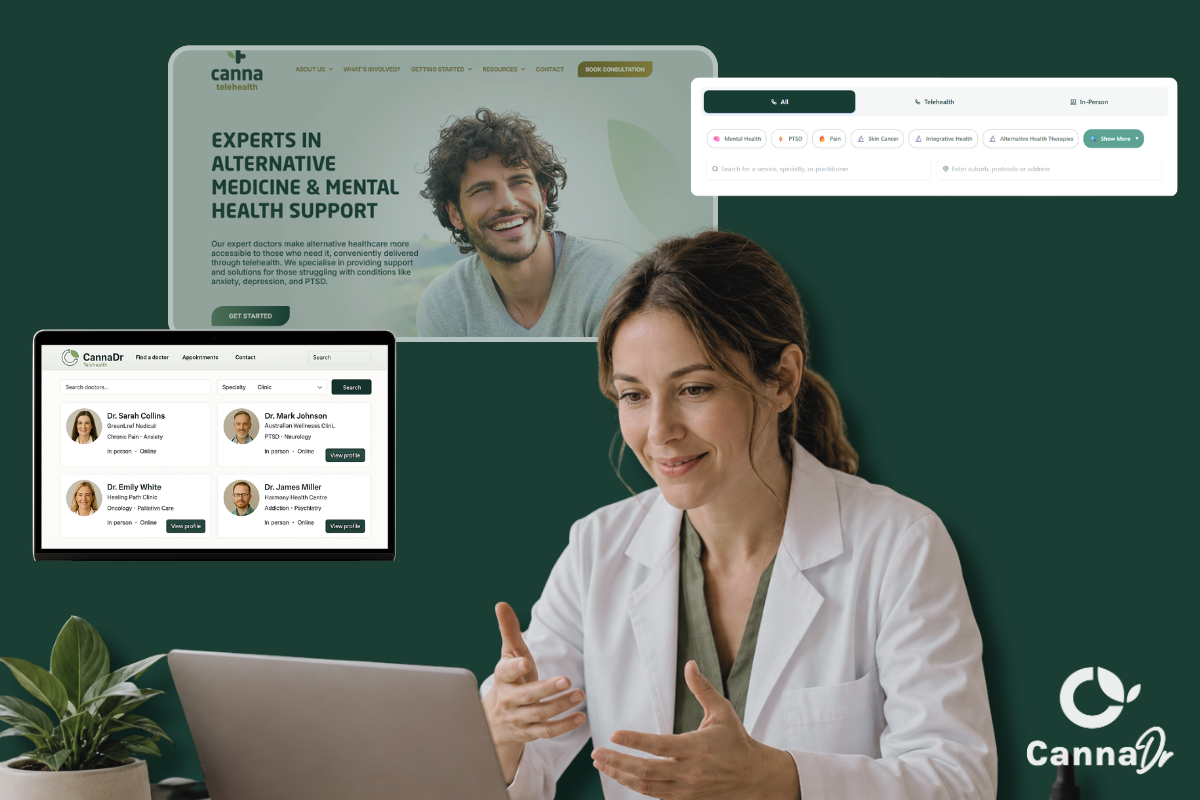
CannaDr online directory

NAIDOC Week can also support your digital marketing efforts when approached with authenticity and cultural respect. By highlighting your commitment to inclusive healthcare, you can strengthen your online presence and connect with more patients seeking culturally responsive care.

Consider the following strategies:

  • Create a comprehensive CannaDr profile. CannaDr provides a dedicated platform for alternative healthcare practitioners to increase their visibility among patients seeking integrative care services. Ensure your profile clearly outlines your areas of expertise, consultation options and commitment to culturally respectful healthcare.
  • Optimise your online content for search. Update your website and practitioner profiles with relevant keywords such as Indigenous healthcare Australia, culturally responsive healthcare and Aboriginal health services. Additionally, highlight initiatives that support culturally safe and patient-centred care to improve search visibility.
  • Strengthen your social media presence. Share educational NAIDOC Week content, community partnerships and health initiatives across your social channels. You can also promote your CannaDr profile through professional networks, community groups and healthcare forums to increase awareness.
  • Encourage patient feedback. Positive reviews can strengthen credibility and help prospective patients understand your approach to inclusive care. Where appropriate and with consent, invite patients to share their experiences with your practice.

Digital engagement can significantly enhance patient outreach by making your services easier to discover. Furthermore, a strong online presence demonstrates your commitment to culturally respectful healthcare and helps build trust with diverse communities. 

When combined with meaningful NAIDOC Week participation, these efforts can strengthen patient engagement and support long-term practice growth.

Provide Inclusive, Patient-Centred Care

Beyond NAIDOC Week, health practitioners can strengthen patient relationships by embedding culturally inclusive practices into everyday care.

  • Empower patients in healthcare decisions. Respect cultural healing practices and involve families where appropriate. This patient-centred approach supports better health outcomes and aligns with Closing the Gap objectives.
  • Invest in cultural competency training. Use trusted resources, such as the Cultural Respect Framework and NACCHO guidelines, to build staff knowledge and confidence. As a result, teams can communicate more effectively and provide more culturally responsive care.
  • Monitor patient engagement and seek feedback. Where appropriate, track referral sources and community engagement. Additionally, invite feedback to identify opportunities for improvement. Small actions, such as recognising Indigenous health workers within your team, can also strengthen trust and connection.

By embedding these practices into daily operations, clinics can establish themselves as culturally safe and inclusive healthcare providers. Over time, this commitment can improve health outcomes and encourage positive word-of-mouth referrals within First Nations communities.

Strengthening Patient Connections Beyond NAIDOC Week

NAIDOC Week provides a valuable opportunity for health practitioners to increase visibility and build meaningful relationships with Aboriginal and Torres Strait Islander communities. By delivering culturally safe care, engaging with local communities and improving healthcare accessibility, practitioners can strengthen trust and expand patient reach.

Additionally, maintaining an up-to-date profile on CannaDr and offering flexible consultation options, including telehealth, can help patients access care more easily. Together, these strategies support stronger patient engagement while demonstrating a genuine commitment to inclusive healthcare.

For practitioners looking to increase referrals and showcase culturally responsive care, CannaDr offers an opportunity to connect with patients seeking alternative healthcare services. By creating a comprehensive practitioner profile, you can improve your visibility, expand your reach and contribute to more accessible and culturally respectful healthcare experiences.