
Living with chronic pain can be physically and emotionally exhausting. For many people in Australia, managing pain is a daily challenge that affects quality of life, mobility, and mental health. While conventional medicine plays a key role in pain management, more Australians are seeking natural and complementary approaches to support their overall pain management plan.
Whether you’re a healthcare professional or managing your persistent pain, understanding a range of natural pain management strategies may help improve outcomes. Below, we explore evidence-informed, TGA-compliant methods that may help manage pain, particularly for those living with chronic pain conditions.
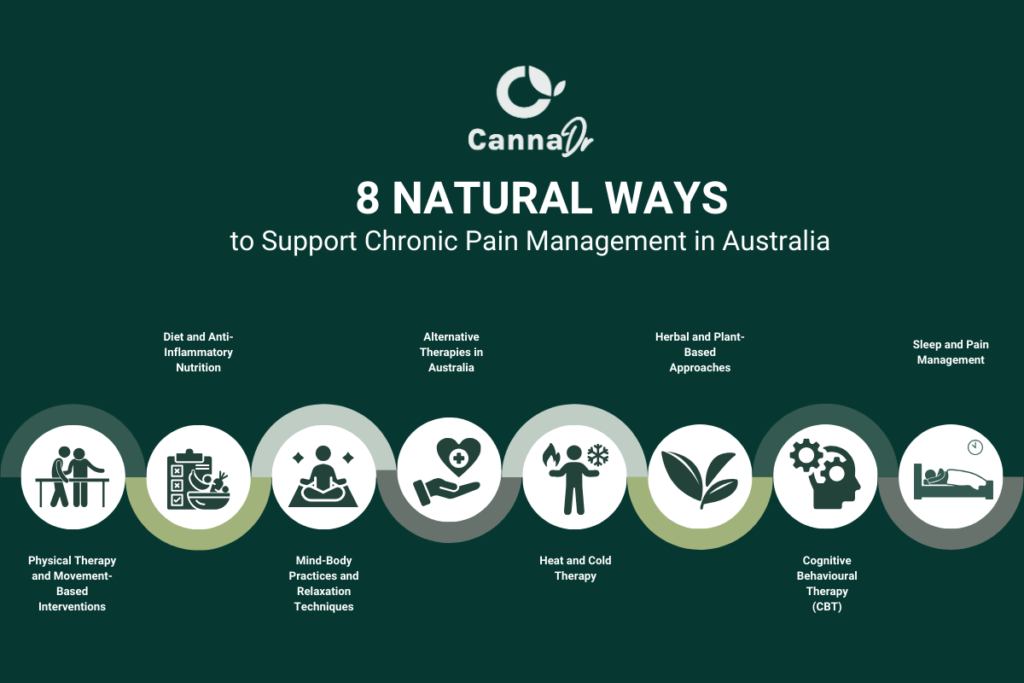
1. Physical Therapy and Movement-Based Interventions
Physical therapy is one of the most widely accepted natural approaches to managing your chronic pain. For those dealing with arthritis, nerve pain, or musculoskeletal conditions, targeted exercise programs can help reduce pain and improve mobility.
Benefits of physical therapy for pain:
- Strengthens muscles around painful areas
- Improves flexibility and posture
- Increases endorphin levels to provide natural relief
According to the Australian Institute of Health and Welfare (AIHW), 1 in 5 Australians aged 45 and over experience persistent pain, but regular, supervised movement can provide measurable improvements in pain and function.
2. Diet and Anti-Inflammatory Nutrition
Chronic inflammation is often associated with ongoing pain. Integrating an anti-inflammatory diet may reduce inflammation and help you manage pain naturally. Certain foods have been shown to positively affect the body’s inflammatory response.
Pain-relieving foods to include:
- Omega-3 rich foods (salmon, flaxseeds, walnuts)
- Leafy greens (spinach, kale)
- Berries (blueberries, strawberries)
- Turmeric and ginger
Avoiding processed foods, refined sugars, and trans fats can also improve pain and general health.
3. Mind-Body Practices and Relaxation Techniques
Managing your chronic pain isn’t just physical, it’s also emotional. Stress is known to exacerbate the sensation of pain, especially in people with chronic pain. Relaxation techniques can help calm the nervous system and provide natural pain relief.
Effective relaxation strategies include:
- Meditation and mindfulness
- Deep breathing exercises
- Yoga or Tai Chi
- Guided imagery
Mindfulness-based stress reduction (MBSR) has been studied for its role in reducing the intensity of pain and improving the experience of pain in people living with chronic pain.
4. Alternative Therapies in Australia
As interest in natural pain management grows, alternative therapies in Australia have become more widely recognised and researched. While results vary depending on the type of pain, many of these approaches offer meaningful relief without the risks associated with long-term use of pain medications.
Popular alternative therapies include:
- Acupuncture: May also help manage nerve pain and reduce pain signals
- Massage therapy: Can alleviate muscle tension and improve circulation
- Chiropractic care: Useful for specific spinal or joint-related pain
- Aromatherapy and essential oils: May aid relaxation techniques and reduce stress-related pain effects
Always ask your doctor or allied health professional before starting any complementary therapy to ensure it aligns with your treatment for chronic pain.
5. Heat and Cold Therapy
Simple yet effective, heat and cold applications can be part of an everyday management plan for chronic pain.
- Heat therapy (e.g. warm compresses, heat pads) improves blood flow and loosens stiff joints.
- Cold therapy (e.g. ice packs) reduces swelling and numbs sharp pain.
This method is particularly beneficial for arthritis, back pain, and other types of pain associated with injury or inflammation.
6. Herbal and Alternative Therapies
While not a replacement for pain medicine, some herbal supplements are being studied for their ability to help reduce pain. Always ensure these are approved by the TGA and consult your doctor before incorporating any supplement into your management strategies. It’s important to note that these ingredients are found in some TGA-listed products, and that approval varies based on product formulation and registration.
Examples include:
- Capsaicin: Found in chilli peppers and used topically for nerve pain
- Willow bark: Traditionally used to ease ongoing pain
- Boswellia: Known for anti-inflammatory properties that may help manage chronic pain
Note: Natural supplements can interact with other medications, so always talk to your doctor first.
7. Cognitive Behavioural Therapy (CBT)
CBT is a psychological approach that helps people with chronic pain reframe their emotional responses to pain. While it doesn’t eliminate pain that lasts, CBT can help you manage how you cope, respond, and live with ongoing pain.
Research supports CBT’s effectiveness in reducing the emotional burden associated with chronic pain, improving daily function, and supporting a long-term plan for managing pain.
8. Sleep and Pain Management
There is a strong link between chronic pain and sleep disturbances. Poor sleep can increase pain intensity and reduce pain thresholds, leading to a cycle of dealing with pain and fatigue. Strategies to support sleep hygiene include:
- Keeping a regular sleep schedule
- Avoiding caffeine or blue light before bed
- Creating a restful environment
- Trying calming bedtime rituals such as herbal teas or light stretching
Better sleep can improve the body’s natural healing process and contribute to more effective pain management.
Supporting Your Pain Management Journey
Living with chronic pain can be overwhelming, but there are many supportive, natural strategies to explore alongside your healthcare plan. From movement and nutrition to mental health and rest, taking a holistic approach may improve your overall well-being.
Always speak with your doctor or healthcare provider before starting any new therapy or supplement, especially if you manage multiple conditions or take medications.
With CannaDr, you can browse through profiles of specialists in alternative health and book a telehealth or face-to-face appointment to explore options tailored to your needs.For more educational resources on pain support, visit CannaDr’s blog or speak with a qualified health professional.